Safety GearArticle
Do Delivery Riders Need Full Motorcycle Safety Gear? The Honest Answer for 2026
Full gear is not always the answer. The honest version depends on your vehicle, your speed, your city, and your risk tolerance. Here is how I think about it.
Most safety gear articles written for delivery riders either tell you that you need everything or avoid the question entirely. Neither is useful.
The honest answer is that what you need depends on what you are riding, how fast you are going, and where you are riding. A bicycle delivery rider in Brooklyn does not have the same safety gear requirements as a motorcycle courier on the BQE. Treating those two riders as having the same gear needs produces advice that is useless for both.
I am not going to tell you what to wear. I am going to tell you how I think about the question, what I actually wear, and what the real risk profile looks like for different rider types in this work.
The Three Things That Actually Determine What You Need
Before anything else, three questions settle most of the gear conversation for a delivery rider.
1. What speed are you operating at?
The physics of crashes change significantly with speed. At 12 mph on a bicycle, a fall is painful and potentially serious. At 20 mph on an e-bike, the same fall involves four times the kinetic energy. At 45 mph on a scooter or motorcycle, the energy levels and the severity of potential injuries are in a different category entirely.
Gear designed for motorcycle speeds, CE-rated armor, full-face helmets, reinforced leather, is overkill for a slow bicycle block and genuinely necessary for a motorcycle working city traffic.
2. What type of crashes are realistic in your specific riding environment?
City delivery riding involves specific crash scenarios that are different from the crashes motorcycle gear was originally designed around. You are not crashing at highway speeds on an open road. You are going down at low speed because a car door opened, because a pothole was deeper than it looked, or because wet metal grating on a bridge approach was slippery.
Low-speed urban crashes tend to involve specific body parts: the hip, the shoulder, the elbow, the wrist, and the palm. High-speed motorcycle crashes involve those same areas but with significantly more energy and sliding distance.
3. How many hours per week are you riding and how long are your individual shifts?
A rider doing two four-hour shifts per week accumulates exposure time differently from a rider doing six eight-hour shifts per week. More time on the road means more total exposure to the scenarios where gear matters. A full-time rider doing 40 hours per week of city delivery has a meaningfully different gear calculus than a part-time rider doing 10 hours.
E-Bike and Bicycle Delivery Riders: What You Actually Need
This is the category most delivery riders on this site fall into. You are on an e-bike or bicycle, operating between 10 and 20 mph, doing stop-and-go city riding with constant low-speed dismounts.
The non-negotiable for this category:
A helmet. This is the one piece of gear where the argument is not about comfort or cost. It is about the specific type of impact that matters most in cycling crashes, which is head impact. At 20 mph on an e-bike, a head impact against pavement or a vehicle creates enough force to be life-altering. A helmet that meets e-bike specific standards significantly reduces that outcome.
The full breakdown of which helmets are worth buying and why NTA 8776 certification matters for e-bike speeds: Best E-Bike Helmet for Delivery Riders 2026
What adds meaningful protection at a reasonable cost:
Gloves. The wrist and palm are almost always the first point of contact in a fall. Your instinct is to catch yourself. The pavement wins that exchange without gloves. At the price of a good pair of delivery gloves, this is the best protection-per-dollar purchase in this category after the helmet.
Full gloves breakdown: Best Motorcycle Gloves for Delivery Riders 2026
A high-visibility element. Not a full hi-vis vest necessarily. A reflective jacket, a reflective strap, or a helmet with a rear LED. Being seen by drivers is not about being unhurt after a crash. It is about not having a crash in the first place. Night delivery shifts in New York have a different visibility risk profile than daytime riding, and a single reflective layer changes how drivers process your presence in traffic.
What is probably not necessary for this category:
CE-rated armor in a motorcycle jacket. If you are on an e-bike or bicycle operating under 20 mph in city traffic, full CE Level 1 or Level 2 armor adds significant cost, weight, and heat without addressing the crash scenarios most realistic for your riding. The energy levels in e-bike crashes are lower than the scenarios CE-rated motorcycle armor was designed to protect against. Spending $200 on armored motorcycle gear when you are on an e-bike is not wrong, but it is not the most efficient allocation of a safety budget.
Motorcycle and Scooter Delivery Riders: Where to Start
If you are on a scooter, moped, or motorcycle doing delivery in the city, the gear conversation is different. Your speeds are higher, the energy in a crash is meaningfully greater, and the consequences of a slide are more serious.
The minimum for this category:
A motorcycle-certified helmet. Not a bicycle helmet. A DOT-certified motorcycle helmet or, for riders who want face protection as well, a full-face DOT helmet. The difference between a bicycle helmet and a motorcycle helmet is the certification standard, the shell material, and the retention system. At motorcycle speeds, each of those differences matters.
CE Level 1 armor at the elbows, knees, and shoulders. This is the minimum protection level that motorcycle safety standards consider adequate for street riding. CE Level 1 armor absorbs impact energy at the speeds realistic for urban motorcycle and scooter riding. CE Level 2 offers significantly better performance and is available in armor pads that fit standard riding jackets.
The gear that moves the needle most for motorcycle delivery riders:
Gloves with proper knuckle protection. Not the same gloves I recommend for e-bike riders. Motorcycle-specific gloves with CE-rated knuckle armor, reinforced palms, and wrist protection. A fall at 35 mph on a scooter is a different physical event from a fall at 15 mph on an e-bike, and the glove that handles one does not necessarily handle the other.
Riding boots or at minimum ankle-covering footwear. The ankle joint is highly vulnerable in motorcycle crashes in ways that are not obvious until it happens. Sneakers offer no ankle protection. A mid-height boot or dedicated riding boot significantly reduces ankle injury risk in falls at motorcycle speeds.
The Gear That Earns Its Cost Regardless of Vehicle Type
Three categories of gear apply to every delivery rider regardless of what they are on, and each has a direct income connection that goes beyond safety.
Waterproof gear. Rain shifts pay more. A rain suit, waterproof gloves, and shoe covers keep you on the road in conditions where most riders go home. The income case for this gear is as strong as the safety case, which makes it the easiest investment to justify. Full system: Waterproof Motorcycle Gear for Delivery Riders
Cold weather gloves and hand guards. Cold hands lose dexterity. Lost dexterity means slower accept-and-decline decisions and reduced brake response. Hand guards at $26 are the most cost-effective protection investment available to a delivery rider after the helmet. Best Motorcycle Hand Guards for Delivery Riders
Shoe covers. Every restaurant stop involves stepping into whatever is on the ground outside the entrance. Standing water in February is the norm in New York. Wet feet end shifts early. The shoe cover article is the one piece of gear content most delivery riders have not thought about yet. Best Waterproof Shoe Covers for Delivery Riders
What I Wear and Why
I am on an e-bike operating as Class 2, assisted to 20 mph. My shift environment is NYC, primarily Brooklyn and lower Manhattan, stop-and-go through dense traffic.
What I wear every shift:
A Bern Hudson MIPS helmet. NTA 8776 certified for e-bike speeds, 5-star Virginia Tech rating, integrated rear light. This is the one piece of gear I never ride without regardless of shift length.
KEMIMOTO touchscreen gloves in spring, summer, and fall. REV'IT! Convergent H2O in rain conditions. The gloves are the second non-negotiable.
A reflective element on my jacket or the helmet rear light running. Visibility at night in the city matters more than almost any piece of protective armor.
Rain suit and shoe covers when the forecast calls for rain. The income case makes these a practical decision as much as a safety one.
What I do not wear:
A full CE-rated motorcycle jacket on an e-bike block. The weight, the heat, and the cost are not justified by the crash scenarios I realistically face at e-bike speeds in city delivery riding. If I were on a scooter or motorcycle, this calculus would change.
Where to Start If You Are Buying Gear for the First Time
Week one: Buy a helmet and a pair of gloves. These two purchases address the body parts most commonly injured in cycling crashes and the most severe potential outcomes. The rest can come later. The helmet: Best E-Bike Helmet for Delivery Riders. The gloves: Best Motorcycle Gloves for Delivery Riders
Week two or three: Build the wet-weather system before you need it. A rain suit and shoe covers keep you earning on shifts where most riders go home. The income return on this gear is more immediate than any protective gear purchase. Waterproof Motorcycle Gear Full Setup
When earnings are consistent: Add the cooling vest for summer and hand guards for winter. Both have direct effects on shift length and per-hour earnings, not just safety.
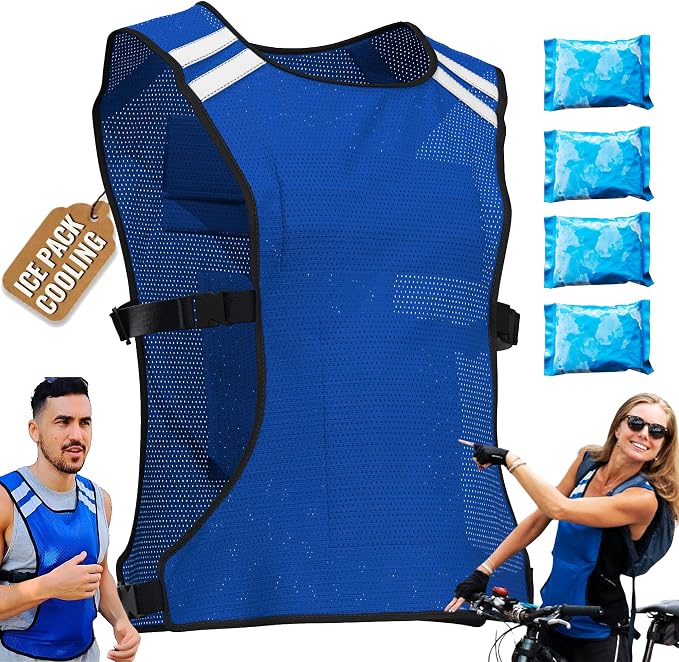
- Works regardless of humidity or riding speed
- Immediate and consistent direct cold-contact cooling; four ice packs cover chest and back
- Adjustable side straps fit a range of body types
- Flat pocket design prevents pressure points in riding position
- Lightweight enough to wear under a jacket
- Requires overnight freezer access, problematic during back-to-back shifts away from home
- Noticeably heavier than evaporative vests with all four packs loaded
- Requires logistical planning an evaporative vest doesn't
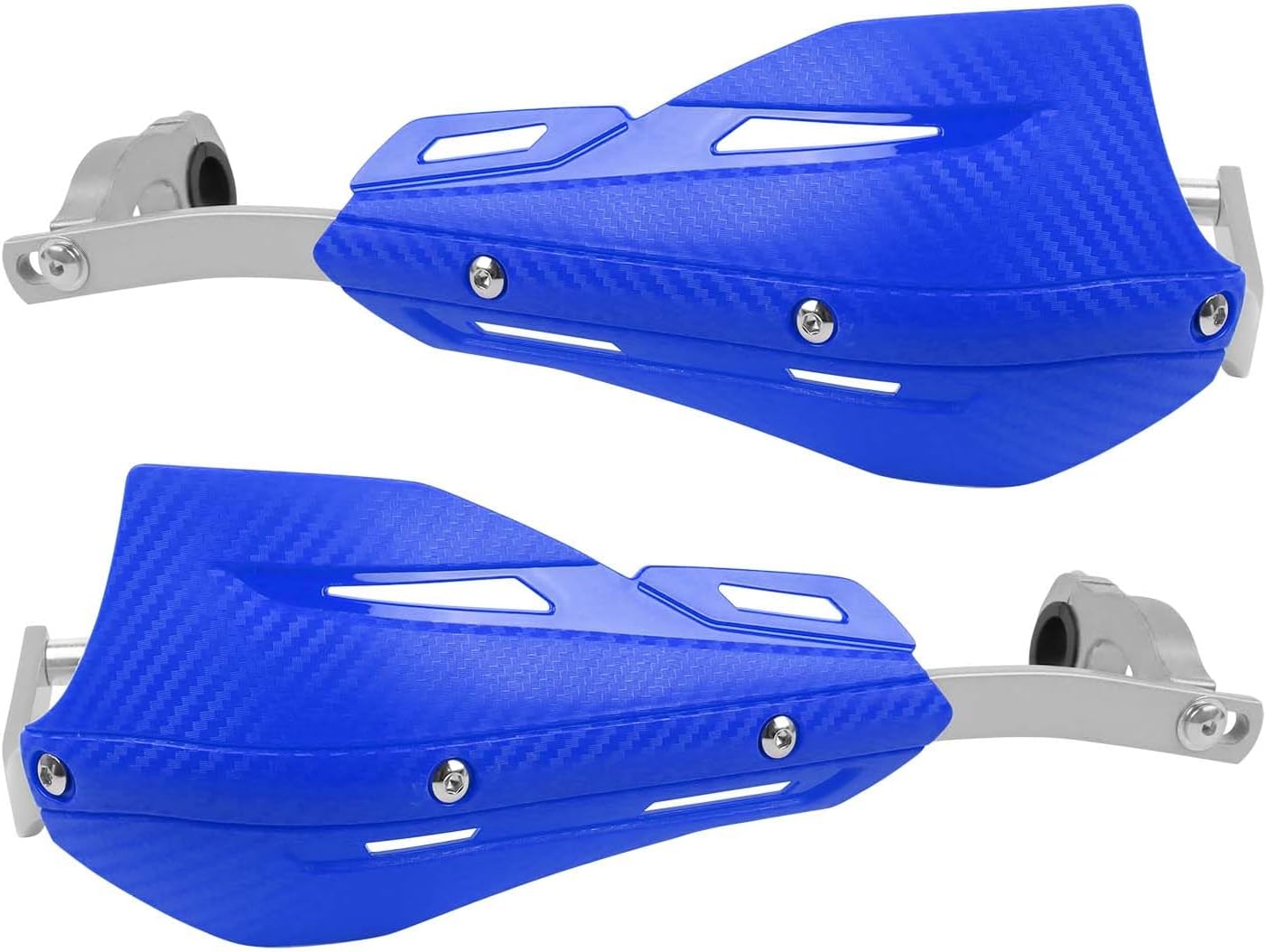
- CNC-machined aluminium throughout, more confidence-inspiring install
- Better hardware quality than the JFG
- Comparable wind and rain protection at a similar price
- Harder surface may scratch vehicles or walls in tight alleys
- No plastic outer shield, slightly heavier contact profile
- Marginal price premium over the JFG
For motorcycle and scooter riders: Start with a DOT helmet and CE Level 1 gloves and armor before anything else. The speed differential makes protective gear more urgent than the wet-weather system.
The Bottom Line
The question is not whether you need safety gear. The question is which gear addresses the real risks of your specific riding at your specific speed in your specific environment.
For e-bike and bicycle delivery riders in city traffic, a helmet and gloves are the core. Everything else adds protection in specific scenarios. For motorcycle and scooter riders, CE-rated armor and a DOT helmet are the minimum rather than the ceiling.
The gear that earns its cost on every shift regardless of vehicle type is the wet-weather kit. Rain gear keeps you earning on the shifts that pay more because most riders do not have it.
Buy what addresses your actual risk profile. Do not buy what the most comprehensive gear list says if it does not match how you ride.