
Safety GearArticle
Best Motorcycle Rain Gear for Long Delivery Shifts 2026: Full Kit Breakdown
A three-hour rain shift is manageable with basic gear. An eight-hour rain shift exposes every gap in your setup. Here is the full kit for riders doing long wet-weather blocks and how to actually run one.
Short rain shifts and long rain shifts are different problems.
A two-hour block in moderate rain is manageable with most rain gear. The suit is new enough that the coating is still effective. The gloves have not been saturated through the seams yet. Your feet are damp but not cold. You are done before any of those things become a serious problem.
An eight-hour shift in sustained rain is a different test entirely. By hour three, partially sealed seams on a budget suit have let through enough moisture that the jacket interior is wet. By hour four, water-resistant gloves are no longer water-resistant. By hour five, your shoe covers have been through 50 mount-and-dismount cycles and the ankle seal has relaxed. By hour six, you are making worse decisions because the accumulated physical discomfort has been running in the background the whole shift.
This article is for riders who work long blocks. Four hours minimum. Eight hours on a serious rain night. What the gear needs to do is different, what fails first is predictable, and knowing both changes what you buy and how you run the shift.
What Changes After Hour Three in the Rain
The three-hour mark is where gear quality separates.
Rain suit seams. Fully sealed seams hold indefinitely. Partially sealed seams, the type common on budget suits under $80, experience cumulative water pressure as the shift continues. After the first hour, the outer fabric surface is saturated. After two hours, the saturated outer fabric begins passing water to the partially sealed seam channels. After three hours, you feel dampness at the shoulders and inside the jacket back. By five hours, it is no longer a suit, it is a wet layer.
The difference between a suit with fully sealed seams and one without is not apparent in the first two hours. It is fully apparent by hour four.
Waterproof gloves versus water-resistant gloves. Water-resistant glove palm material handles light rain and drizzle for the first 30 to 45 minutes of a shift. After that, sustained heavy rain saturates the outer material and begins wicking through the palm and at the seam points. A waterproof membrane prevents this across the entire shift. The difference between these two glove types is not a matter of degree. It is a binary outcome by the end of a long shift.
Shoe cover seal integrity. Silicone rubber shoe covers rely on a perimeter seal around the ankle and a sole seal to keep water out. Over 50 to 60 mount-and-dismount cycles, the ankle seal flexes and relaxes slightly with each movement. On lighter-weight silicone covers, this relaxation becomes noticeable after hour three. The GIYO neoprene overshoes do not rely on the same perimeter seal mechanism. Neoprene as a material does not let water through regardless of the number of flex cycles.
Phone use. Your phone screen accumulates water droplets from the rain. Your glove fingertips accumulate moisture. The combination of a wet screen and damp glove fingertips degrades touchscreen reliability on even a good touchscreen glove. By hour four of a sustained rain shift, you are working harder to get the delivery app to register your taps than you were at hour one.
Decision quality. This one is harder to quantify but real. Heat loss from accumulated moisture, physical fatigue from repeated wet mount-and-dismount cycles, and the persistent discomfort of wet clothing under a suit all create a cognitive drag that builds across a long shift. By hour five or six, riders in inadequate gear are making worse accept-and-decline decisions than they were at the start of the shift. The income difference is real even if the cause is invisible.
The Full Long-Shift Rain Kit
Here is each component with the specific performance standard it needs to meet for a long block, and the pick that meets it.
Rain Suit: Fully Sealed Seams, Non-Negotiable
For long shifts, the rain suit requirement narrows to one specification: fully sealed seams. Everything else is secondary.
The Tourmaster Defender 2.0 is the pick. Fully sealed polyurethane-backed nylon shell, aqua-barrier under-helmet collar that prevents neck infiltration during vertical rain at stops, underarm vents that zip open between pickups when heat buildup becomes an issue, and suspenders on the pants that keep the waist seal in place through repeated mounting. Around $90 to $110 on Amazon.
Why the budget suits do not hold up: The KEMIMOTO and Nomad USA are both good suits for two to three hour blocks. Neither has fully sealed seams. For a four-hour-plus block in heavy rain, the seam saturation described above is a real outcome rather than a theoretical concern. If budget requires using them for longer shifts, keep a packable backup suit in the bag and deploy it when the primary suit starts feeling wet at the shoulders.
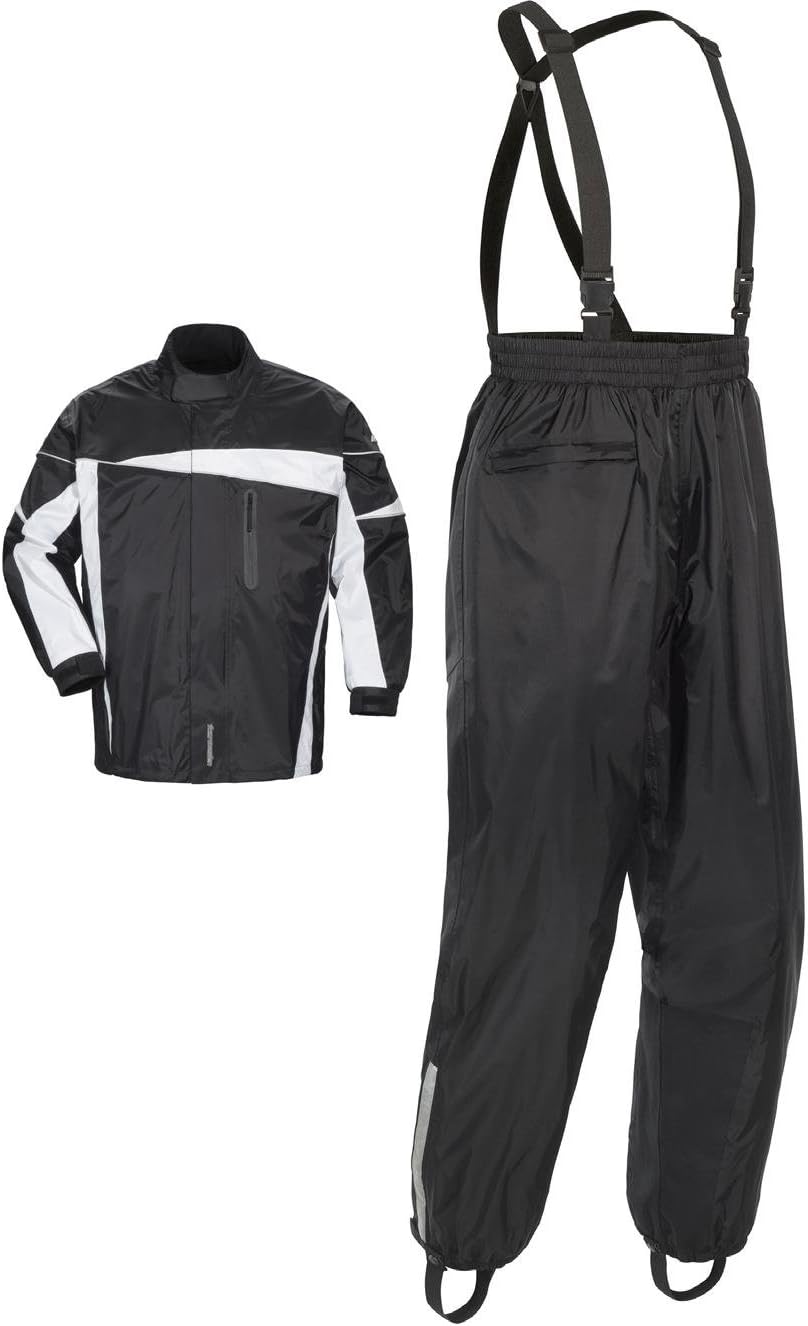
- Fully sealed seams, the spec budget suits always compromise on first
- Aqua-barrier collar blocks vertical rain at restaurant stops
- Suspender pants keep waist seal intact across 25+ stops per shift
- Underarm vents manage heat between pickups in warm-weather rain
- Motorcycle-specific design, not an adapted outdoor jacket
- Snug ankle fit, may require removing boots to get pants on
- Higher price point (~$90–$110) versus the other two options
- First deployment takes ~5 minutes until you build the routine
Full rain suit breakdown across all price points: Best Motorcycle Rain Suit for Delivery Riders
Waterproof Gloves: Membrane Required
For a long shift, the glove requirement is a waterproof membrane. Water-resistant is a short-shift specification.
The REV'IT! Convergent H2O with its Hydratex liner is the pick already covered in the gloves article. What is worth adding here is how the glove performs specifically in hours four through eight. The membrane holds. The wrist seal holds if the gloves are pulled over the rain suit cuff properly and the suit sleeve velcro is snug. The touchscreen response in wet conditions holds reasonably well through the shift, though by the later hours with heavy rain on the phone screen it is slower than it was in hour one.
The one additional thing for long shift riders: bring a small dry cloth in your delivery bag. Wiping your phone screen and the glove fingertip before a tap in the later hours of a heavy rain block significantly improves touchscreen response without having to remove the gloves.
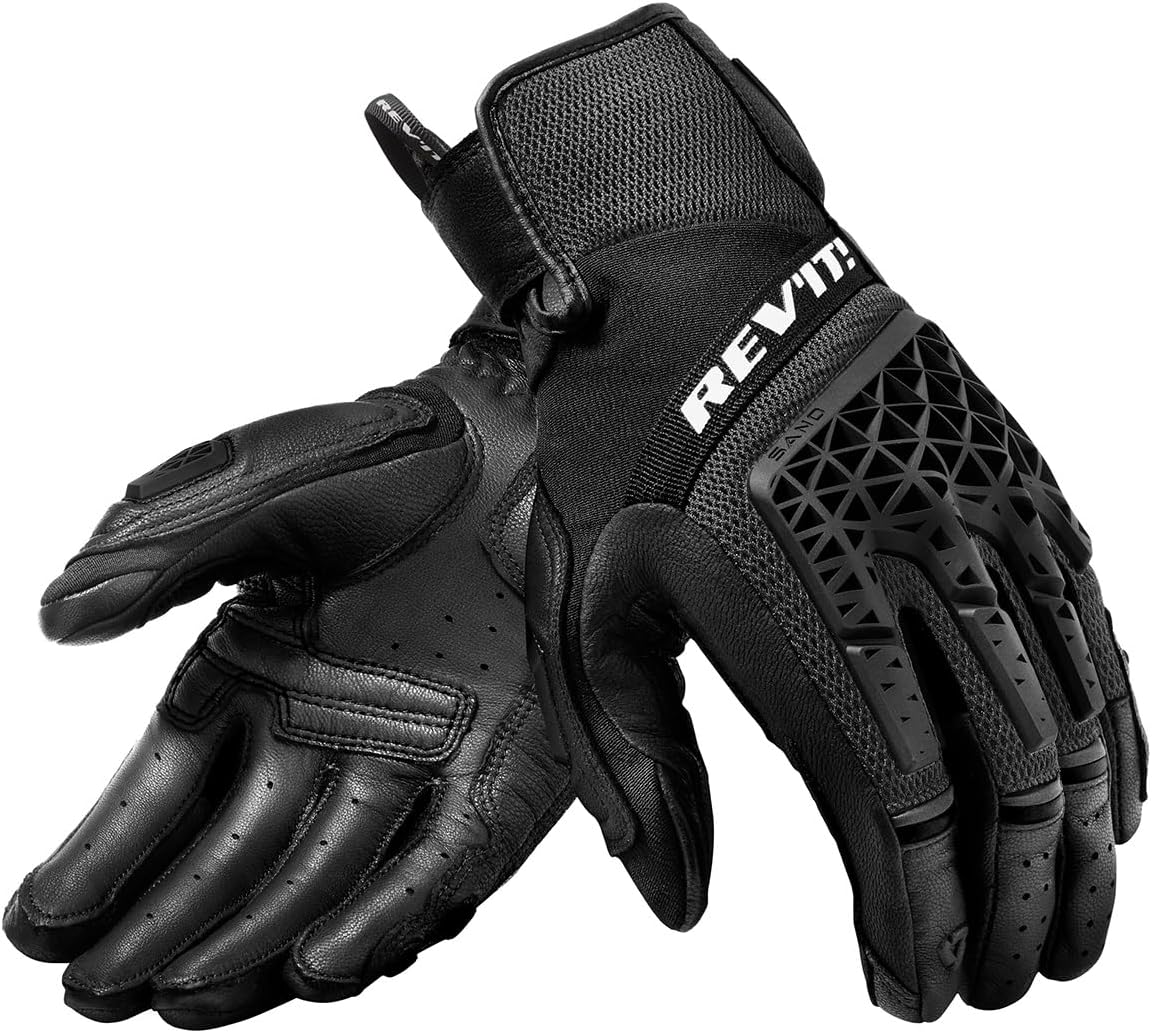
- Premium goatskin
- Full TPR protection package
- Damp-condition touchscreen
- Fast on/off
- Lowest cost-per-shift over two years
- Covering the price
- Partial mesh construction
- Sizing
- Upfront spend barrier for new riders
Full gloves breakdown: Best Motorcycle Gloves for Delivery Riders
Shoe Covers: Neoprene for Long Shifts
For a two-hour shift, the ROCKBROS water-resistant cycling covers or a basic silicone cover are adequate. For a shift of four hours or more with 50-plus dismount cycles, the GIYO neoprene overshoes are the right pick.
Neoprene is the same material used in wetsuits. It does not let water through as a property of the material itself, regardless of how many times it flexes. The ankle area does not rely on a perimeter seal that can relax under repeated movement. The material holds regardless of how many stops you make.
The sizing note for the GIYO is important for long-shift riders specifically. These runs from S through XXXL, which covers foot sizes that most cycling overshoe brands do not accommodate. Riders with larger feet who have been unable to find a proper-fitting overshoe should start with the GIYO.
The logistics note: neoprene overshoes take longer to put on than silicone covers or light Lycra overshoes. Budget an extra two minutes at the start of a wet shift. Once they are on, they stay on through the full shift without adjustment.
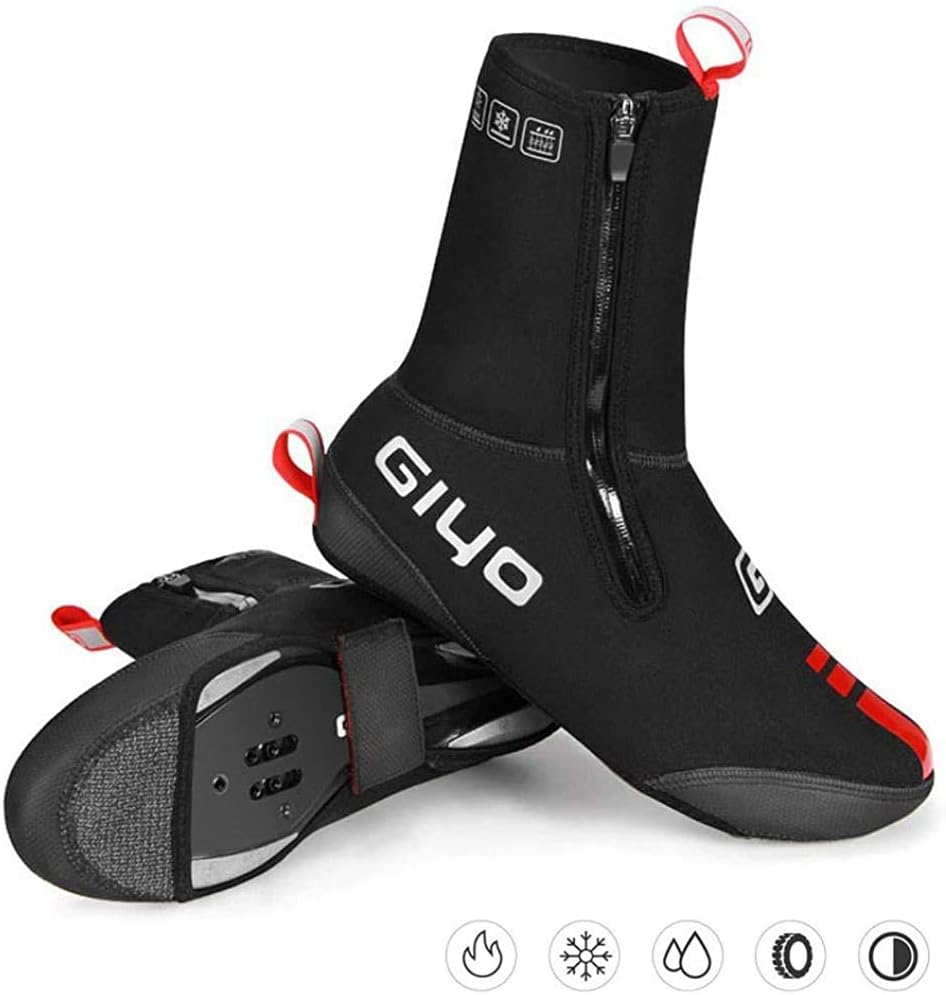
- Fully waterproof neoprene (wetsuit material), no moisture penetration even in sustained downpours
- Superior thermal insulation stays warm even when wet
- Widest size range (up to XXXL) accommodating riders other brands exclude
- Harder and slower to put on/take off, especially with cold hands
- Runs warmer than Lycra covers, making them uncomfortable in milder wet conditions above ~50°F
Full shoe covers breakdown: Best Waterproof Shoe Covers for Bike Delivery Riders
Neck Gaiter: The Missing Piece
Most wet-weather kit discussions skip the neck. The gap between the helmet and the rain suit collar is where cold air and rain water enter when you are stopped at an intersection in heavy rain. Even with the aqua-barrier collar on the Tourmaster, the gap between where the helmet ends and where the collar begins is a cold-air entry point in sustained wind-driven rain.
A simple neck gaiter pulled up over the chin and under the helmet eliminates that gap. It does not need to be technical gear. A basic fleece or merino tube gaiter costs $8 to $20 and weighs nothing. Worn under the helmet with the lower edge tucked inside the suit collar, it closes the one seam in the system that the rain suit cannot cover.
In winter rain below 40 degrees, this addition changes the subjective experience of a long block significantly. Cold air entering at the neck affects how the whole upper body feels within the first 30 minutes. Closing that gap is a small investment with a disproportionate effect on how the shift feels in hours four through eight.
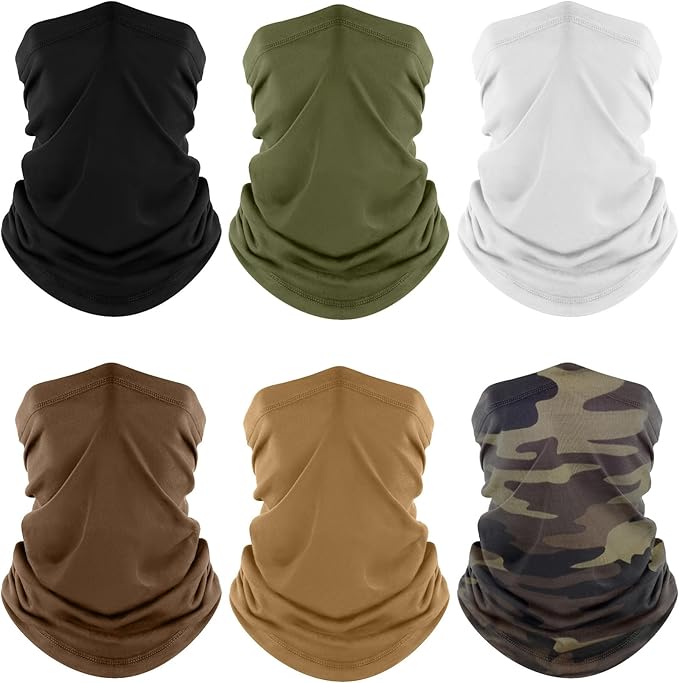
- Closes the one gap the rain suit can't cover
- Cheap relative to the rest of the kit
- Negligible weight/bulk
- Outsized comfort impact in cold rain
- Needs regular washing
- Doesn't solve a waterproofing problem, only a comfort/cold-air one
Managing Wet Gear During the Shift
Long shifts require gear management that short shifts do not.
Putting the suit on before the shift, not during it. This is covered in the rain suit article and worth repeating here. Getting a rain suit on outside in heavy rain during a shift is a five to ten minute process that costs orders. Getting it on at home before leaving takes two minutes. If there is any meaningful rain probability during the shift window, suit up at home.
Managing the phone. Your delivery app is your income source. In heavy rain during a long block, keeping the phone functional requires active management.
The phone mount is the first consideration. A mount that points the screen downward at an angle of even 15 to 20 degrees drains water off the screen surface faster than a flat-mounted phone. Some handlebar mounts allow angle adjustment. If yours does not, the screen accumulates rain in a pool at the top edge and the touchscreen becomes unreliable faster.
The second consideration is the case. A raised-edge case that forms a small lip around the screen edge helps prevent water from sitting on the screen surface. A flat case that is flush with the screen does not.
Wiping the phone screen and your glove fingertip on a dry cloth in the delivery bag before a tap in heavy rain is faster than struggling with a wet screen for 15 seconds trying to get the app to register. Keep a small microfiber cloth in the outer pocket of the bag where it is accessible without removing your gloves.
Rain suit deployment in changing conditions. If you start the shift in drizzle and it becomes heavy rain mid-block, find a covered spot to add the pants if you are only in the jacket, and check the wrist closures on your gloves and the ankle seals on your shoe covers for any gaps before continuing. Ten seconds of adjustment at a protected spot prevents 40 minutes of wet discomfort in the back half of the block.
End-of-Shift Gear Care for Daily Long-Shift Use
Gear that gets daily long-shift use needs more active care than gear used occasionally.
Rain suit: After every long rain block, hang the suit to air dry completely before the next shift. Do not fold and store wet. At the end of every month of heavy use, check the seams of a budget suit for any signs of delamination or cracking at the stress points. The waterproof coating on non-membrane suits can be refreshed with a Nikwax or Grangers DWR spray if it begins to wet out rather than bead. This costs $10 to $15 and extends the life of the coating by months.
Waterproof gloves: Air dry at room temperature only. Heat sources accelerate membrane degradation in textile gloves and crack leather. If the gloves begin to leak after extended use despite being a membrane type, the membrane may have been punctured at a seam point. This is usually not repairable and indicates replacement time.
Neoprene shoe covers: Rinse with clean water after every shift to remove road grime and salt residue, which degrades neoprene over time. Air dry fully before the next shift. Check the sole for any cracking or separation at the edges after each wash. Neoprene soles in contact with rough pavement at restaurant stops wear faster than the upper material.
Neck gaiter: Wash after every five to ten shifts. Accumulated sweat and rain residue causes odor that builds faster in a tight neck space. Cold water, gentle cycle, air dry.
The Long Shift Earnings Argument
An eight-hour rain block is not comfortable. It is also not supposed to be comfortable. It is supposed to be profitable.
When it rains heavily in New York on a weeknight, a significant portion of delivery riders stop working. The ones who stay earn more per order because demand from customers does not drop proportionally to the drop in driver supply. The platform pays more per order in those conditions because it has to.
A rider in full long-shift rain kit, who can work confidently through a sustained block without gear failure shortening the shift, captures those earnings. A rider in inadequate gear who ends the shift at hour three because their suit is leaking does not.
The gear in this article costs more than budget options. For a rider who intends to work long rain blocks regularly, the cost per shift across a season is lower with quality gear that holds through the full block than with budget gear that requires early shift termination or frequent replacement.
The full system guide covering how each piece works together and what order to buy: Waterproof Motorcycle Gear for Delivery Riders: Full Setup Guide
The Bottom Line
Long shifts expose what short shifts hide. Partially sealed seams, water-resistant rather than waterproof gloves, and lightweight silicone shoe covers all perform adequately for two hours. After four hours, each one begins to fail in ways that affect both comfort and income.
The long-shift kit is four things: Tourmaster Defender 2.0 with fully sealed seams, REV'IT! Convergent H2O waterproof gloves, GIYO neoprene overshoes, and a neck gaiter for the collar gap. Budget for those specific items rather than the budget equivalents if serious rain shift work is part of your regular schedule.
Work the block. Come home dry.