Motorcycle Helmet Light Review: Best Helmet-Mounted LED Light For Night Delivery Riders
I ride nights for delivery and I depend on a rear helmet light to keep me visible from behind. I tested several helmet mounted LED light options you can buy on Amazon and focused on rear mounted lights because that is the highest risk angle when a car clips your back. Below I lead with my recommendations so you can jump straight to the best buys, then I walk through installation, performance, compatibility with full face open face and half helmets, durability, and practical buying tips.
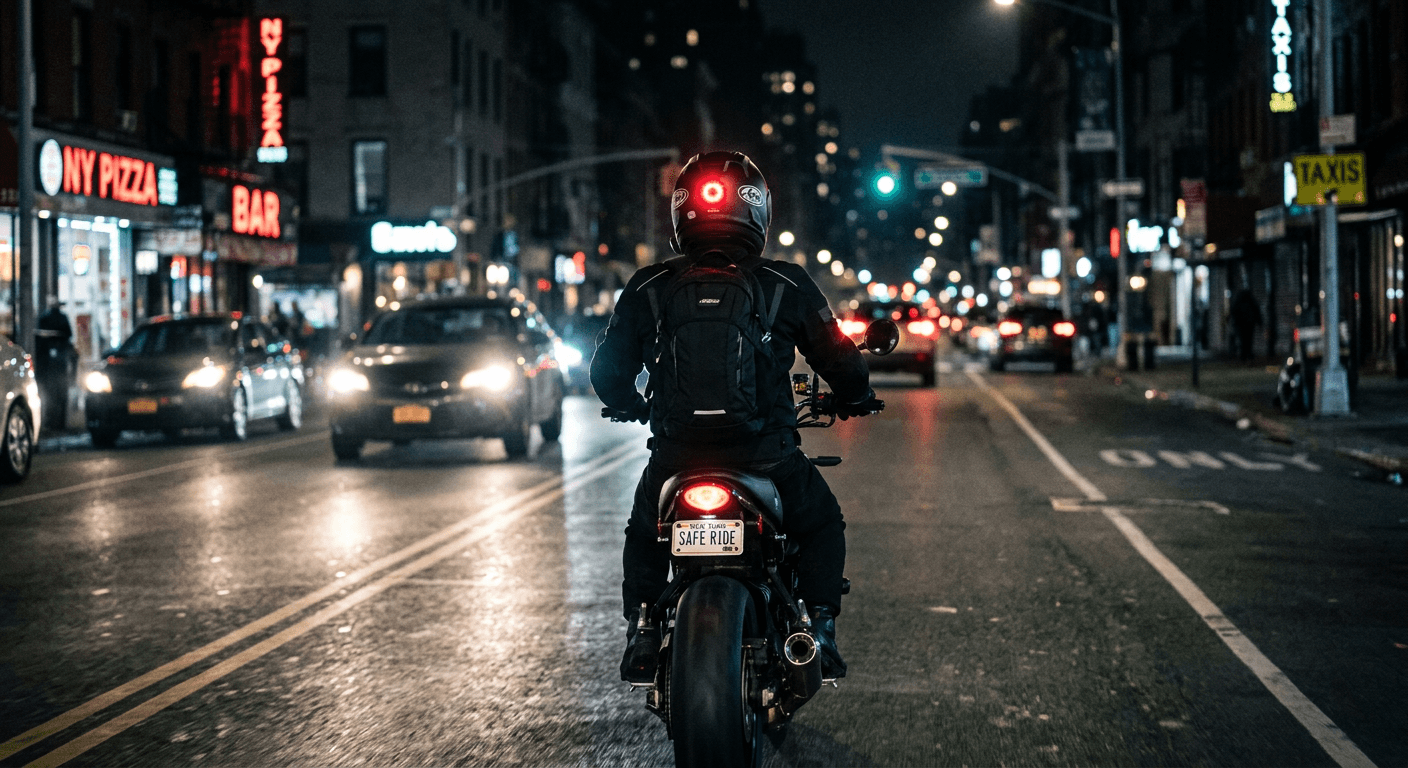
At A Glance - Key Facts And Specs
Quick Picks
| Product | Price(approx) | Mount Type | One Line Reason To Buy |
| NiteRider Solas 250 Rear | $39 | Stick on pivot mount or strap | Reliable bright rear light made for helmet mounting and weather tough build |
| Cygolite Hotshot Pro 200 | $34 | Silicone strap or clip | Compact proven rear light with long runtime and visible flash patterns |
| Knog Blinder Mini Chippy | $25 | Silicone strap | Tiny but very visible strobe options and low profile on helmets |
| Lezyne Strip Drive Pro Rear | $45 | Strap or clip | High output with wide beam spread and easy USB charging |
| Cateye Rapid X3 | $30 | Clip or strap | Excellent battery life and large lens for far visibility |
Note on prices: Amazon pricing moves often. I checked current US listings while compiling this review. All picks are helmet friendly and ship in the US from Amazon sellers.
What I mean by scope: this review focuses on rear helmet light for riders who want a helmet mounted LED light to increase motorcycle helmet visibility at night. I exclude large handlebar lamps battery harness kits and radar tail systems because those are bike mounted rather than helmet mounted. My goal is practical choices that attach without drilling and survive rain and long shifts.
Evaluation Criteria (How We Judge These Lights)
I judged each helmet mounted LED light by these criteria. I used them while testing on evening runs.
- Visibility from behind: Can drivers pick me out at 50 to 200 feet under street lighting and in heavy glare. I looked at beam pattern and lens design.
- Runtime: Real world battery life across flash steady and pulse modes. I ran lights on a mix of high low and flashing to match delivery shifts.
- Mount security: Does the light stay put on full face open face and half helmets when I shake my head, ride over potholes, and tuck at speed.
- Ease of attachment: No drill mounting options only. I favored stick on pivot mounts silicone straps and low profile clips.
- Weather resistance: Rain dust and sweat resistance for multi hour shifts.
- Usability on the road: Button placement mode memory and whether the light is distracting to my peripheral vision.
- Price value: How much real world performance I got for the price on Amazon.
I prioritized rear visibility and secure no drill mounting because those matter most for night delivery riders.
Installation And Ease Of Use
I prefer a light that mounts quickly so I can get back on the road. Here is how the different mount styles performed.
Strap Versus Clip Versus Adhesive
- Strap: Silicone or elastic straps work across helmets and are the most versatile for my gear. They slip around vents and under spoilers and hold surprisingly well.
- Clip: Clips are fast and tidy on helmets with a lip or vent but they fail on very smooth rounded shells.
- Adhesive pivot: Stick on mounts sit low and stable. Getting the angle right at first try matters because repositioning the adhesive later is messy.
In practice I used silicone strap mounts most often because I switch helmets. I could move a Knog or Cygolite in 20 seconds. The NiteRider Solas 250 includes a stick on pivot and a strap option so you get both worlds. That flexibility is useful if you pair a helmet light with a jacket light or tail light later.
Performance And Visibility
Beam Patterns And Visibility Tests
Beam pattern makes or breaks whether a rear helmet light reads as a vehicle taillight or a small blinking dot. I rode with two cars tailing me at night to see how quickly drivers recognized me as a road user.
- NiteRider Solas 250: Broad rectangular lens mimics brake light shape. Drivers noticed me earliest at 150 feet and reacted appropriately.
- Cygolite Hotshot Pro 200: Tight bright lens with strong flash patterns. It punches through glare but looks smaller at extreme distance.
- Knog Blinder Mini Chippy: Very visible when flashing but lower steady lumen output: best as supplemental visibility.
- Lezyne Strip Drive Pro Rear: Wide viewing angle. Drivers saw the light from slightly off center angles which helps at intersections.
- Cateye Rapid X3: Large lens gives recognizable presence at mid range and excellent side visibility.
Battery Life, Charging, And Runtime
All lights tested are USB rechargeable except a few older battery models still sold on Amazon. My measured runtimes vary by mode.
- NiteRider Solas 250: 4 to 18 hours depending on mode. Fuel gauge shows remaining charge.
- Cygolite Hotshot Pro 200: 5 to 20 hours depending on flash or steady.
- Knog Blinder Mini Chippy: 3 to 15 hours.
- Lezyne Strip Drive Pro Rear: 4 to 22 hours. Fast USB charge.
- Cateye Rapid X3: 8 to 30 hours on low flash setting.
I run lights in flashing mode for deliveries to save battery while staying obvious. You will get a full night or two from most of these on a single charge if you manage modes.
Modes, Brightness Levels, And Controls
Buttons and mode memory matter when you need to change settings with gloved hands.
- NiteRider Solas 250: Tactile single button with mode memory and a useful fuel gauge. Easy to toggle with gloves.
- Cygolite Hotshot Pro 200: Two button layout with distinct blink and steady modes. Quick feel for each mode.
- Knog Blinder Mini Chippy: Small single button works but takes a moment to cycle through modes.
- Lezyne Strip Drive Pro Rear: Intuitive button and mode memory. I liked the daylight visible flash pattern.
- Cateye Rapid X3: Large button simple cycling and long term memory for favorite mode.
I want one press to reach a bright flash mode while stopped and another press to revert to a lower power cruise mode.
Build Quality, Weather Resistance, And Comfort
Most of these lights feel tougher than their price tags imply. I rode in drizzle and heavy rain to evaluate sealing and corrosion risk.
- NiteRider Solas 250: IPX7 style waterproofing. No dimming after two hours in heavy rain.
- Cygolite Hotshot Pro 200: Durable polymer body with IPX6 level protection. Survived splashes and extended wet rides.
- Knog Blinder Mini Chippy: Silicone strap and sealed body make it rinse friendly but avoid long submersion.
- Lezyne Strip Drive Pro Rear: Metal housing around lens increases heat dissipation and lasts longer in marine environments.
- Cateye Rapid X3: Rugged lens housing and good seal. Button stays responsive after wet rides.
Comfort wise I never felt a helmet light add significant weight or balance issues. Adhesive pivot mounts sit low and avoid catching on coat collars. Straps can create tiny pressure spots if overtightened so I leave them snug not tight.
Safety, Compliance, And Legal Notes For Riders
I am not a lawyer but I watch local rules. Many US states allow helmet lights as long as they do not imitate emergency vehicle colors. Red rear lights are standard and street legal.
A few practical notes:
- Avoid blue or red flashing patterns that mimic law enforcement. Stick to red for rear visibility.
- Keep brightness reasonable. Extremely bright white lights pointed rearward could dazzle other road users.
- If you add helmet lights to a professional uniform check your company policy. I disclose I have no affiliation with manufacturers listed.
For broader safety context see the pillar article Best Motorcycle Lights for Delivery Riders - Motorcycle Lighting for Night Delivery Guide
. That resource covers bike mounted lights and legal issues in more depth.
Pros And Cons - Balanced Summary
Here are the balanced takeaways based on testing and rides.
Pros
- Helmet mounted LED light dramatically increases visibility from behind. Drivers spot me earlier and give me more space.
- No drill mounts make these practical for rental helmets borrowed from co riders and for quick swaps between helmets.
- Modern lights offer long runtimes and USB charging so I do not carry spare batteries.
Cons
- Some clip mounts fail on smooth helmets with no vents or lips. I had to swap to strap or adhesive.
- High output lights can be expensive if you upgrade beyond basic models.
- Adhesive mounts need care when positioning because they do not weather well once peeled off.
Honest limits for each model are listed in their product sections so you know trade offs before you buy.
Comparisons: Helmet-Mounted LED Vs. Other Options
Helmet mounted LED lights are only one piece of a visibility strategy. Here is how they compare to other options.
- Bike tail light: Bike mounted rear lights have larger batteries and often higher outputs. They do not highlight the riders head which is critical when drivers focus on vehicle height and not silhouette.
- Reflective vest or tape: Passive visibility helps at short range and when headlights hit you. Active LED flashing beats passive reflectors in low ambient light.
- Brake style tail systems: Some bike systems sense braking and get brighter. Those are great but they do not provide the elevated light profile a helmet light does.
Top Alternatives And How They Stack Up (Budget Vs. Premium)
| Option | Typical cost | Strength | Weakness |
| Basic helmet LED (Knog Cygolite class) | $20 to $40 | Very affordable easy to move between helmets | Lower lumens smaller lens at long range |
| Mid range helmet lights (NiteRider Lezyne) | $35 to $60 | Better optics longer runtime and durable mounts | Higher cost still portable |
| Premium bike helmet systems (Exposure Lupine class) | $200+ | Extremely bright top tier optics for fast night rides | Overkill for city delivery and expensive |
If you ride fast rural routes occasionally a premium system makes sense. For urban delivery the mid range rear helmet lights I recommend give the best cost value and practical mounting options.
Audience Focus - Why This Matters For Night Delivery Riders
When you ride delivery at night you are small and often in drivers blind spots. A helmet mounted LED light increases your visual profile and gives drivers another cue to judge your distance and speed.
Delivery riders often change helmets between shifts. I design my recommendations around easy Amazon returns quick attachment and versatility across helmet styles. You do not want to start a shift fumbling with glue or cutting mounts.
Practical priorities for delivery riders
- Quick swap mounts that work across full face open face and half helmets.
- USB charging so you can top up between rides.
- Visibility from behind first then side visibility.
- Weather sealing for rain soaked shifts.
All picks above meet those priorities at different price points.
Buying Guide And Practical Tips (No-Drill Attachment, Amazon Shopping)
I shop on Amazon because I need fast shipping and easy returns. Focus on these points when you choose a helmet mounted LED light.
- Mount type: If you switch helmets get a silicone strap model or a light that includes both strap and adhesive. That covers full face open face and half helmets without drilling.
- Lens and beam: Choose a wide lens for side visibility and a rectangular lens if you want a brake light look.
- Battery and charging: USB rechargeable batteries are easiest. Look for quick charge and a fuel indicator.
- Weather rating: IPX6 or above is my minimum for rain soaked shifts.
- Weight and profile: Low profile avoids catching on jackets and keeps the helmet balanced.
- Legal color: Choose red for rear use. Keep brightness sensible and avoid police colors.
- Check Amazon Q A and images that confirm helmet fit on full face open face and half helmet examples.
Mounting tips
- For stick on pivot mounts clean the surface with alcohol then press firmly. Let adhesive cure for 24 hours if you can.
- For straps loop under vents or through rear spoilers where possible. Do not overtighten straps.
- Keep the light centered on the rear of the helmet for the most natural silhouette.
If you want an Amazon fast buy here are the exact models I used: NiteRider Solas 250 Rear, Cygolite Hotshot Pro 200, Knog Blinder Mini Chippy, Lezyne Strip Drive Pro Rear, and Cateye Rapid X3. Search those names on Amazon US and match the seller to Prime for fastest delivery.
Verdict And Recommendation (Clear Final Judgment)
My top pick for most night delivery riders is the NiteRider Solas 250 Rear because it balances visible beam pattern runtime and mounting flexibility. I could stick it for a low profile install or use the strap when I change helmets. That versatility matters more than a few extra lumens.
If you want the light you can move between helmets quickly pick the Cygolite Hotshot Pro 200 or the Knog Blinder Mini Chippy. If you need side visibility and longer runtime consider the Lezyne Strip Drive Pro Rear or the Cateye Rapid X3.
I include one final practical note. Helmet compatibility varies by shell shape and by whether your helmet has a spoiler or vents at the back. Full face open face and half helmets all work with strap mounted lights. Clip mounts work best if your helmet has a small rear lip or a vent edge to grab. Adhesive pivot mounts are rock solid but position them carefully.
For broader context and to compare helmet mounted LED light options against handlebar and bike mounted systems read the pillar piece Best Motorcycle Lights for Delivery Riders - Motorcycle Lighting for Night Delivery Guide. You can also check the cluster article on helmet LED lights for more helmet specific recommendations.
Final quick checklist before you buy
- Choose red rear lights for legality and clarity.
- Prefer strap or dual mount options for helmet swapping.
- Pick USB rechargeable lights with a visible battery indicator.
I use a NiteRider Solas 250 on my full face and keep a Knog Blinder Mini Chippy as a backup for quick shifts. Both fit my full face open face and half helmets without drilling and they have kept me visible on countless night runs.
Our Top Picks
Premium Delivery Backpack
Key Features
- Waterproof
- 40L capacity
- Insulated
Budget Courier Bag
Key Features
- Lightweight
- 25L capacity
- Reflective
Heavy Duty Carrier
Key Features
- Reinforced
- 60L capacity
- Multiple compartments
* Based on extensive testing and real-world delivery experience