
Safety GearArticle
Leather vs Textile Motorbike Gloves: Delivery Rider Guide
Leather or textile motorcycle gloves for delivery riding? I will provide you with a break down on protection, breathability, wet weather, and which to pick for your shift type.
The Short Answer
For most delivery riders doing warm to moderate weather shifts: textile. It's lighter, requires no break-in, breathes better at city speeds, and costs less to replace when a pair wears out.
For riders who want better long-term abrasion resistance, a glove that shapes to their hand over time, and a construction that holds up across multiple seasons: leather.
Neither is wrong. The right answer depends on your shift conditions. This guide tells you which one fits yours.
What Each Material Actually Does
This comparison is built around delivery riding specifically, not track days or touring. The priorities are different: stop-start riding, phone use, heat management, and durability under daily grip pressure.
| Attribute | Leather | Textile |
| Abrasion resistance | Higher | Lower |
| Breathability | Lower (unless perforated) | Higher |
| Break-in period | Yes, 1 to 2 weeks | None |
| Wet weather performance | Poor without treatment | Varies by construction |
| Durability under daily use | Higher over seasons | Wears faster at seams |
| Touchscreen compatibility | Rare in budget options | Standard at this price |
| Dexterity for stop-start riding | Lower when stiff | Higher from day one |
| Price at under $50 | Goatskin available | Mesh and polyester available |
The one column that surprises most riders is dexterity. Leather stiffens in cold weather and takes time to soften to your hand shape. If you start a new pair on a cold morning, the first hour on the handlebar is noticeably stiffer than textile. For riders doing 30 stops per shift, that resistance adds up.
Which Material Fits Your Shift
Hot weather and summer dinner shifts
Textile wins on raw breathability. A mesh back moves more air than smooth leather at city speeds. The tradeoff is abrasion resistance. If you want leather for summer specifically, perforated goatskin gets close. The holes keep air moving through the palm during stops and the leather still protects better in a slide than any synthetic mesh.
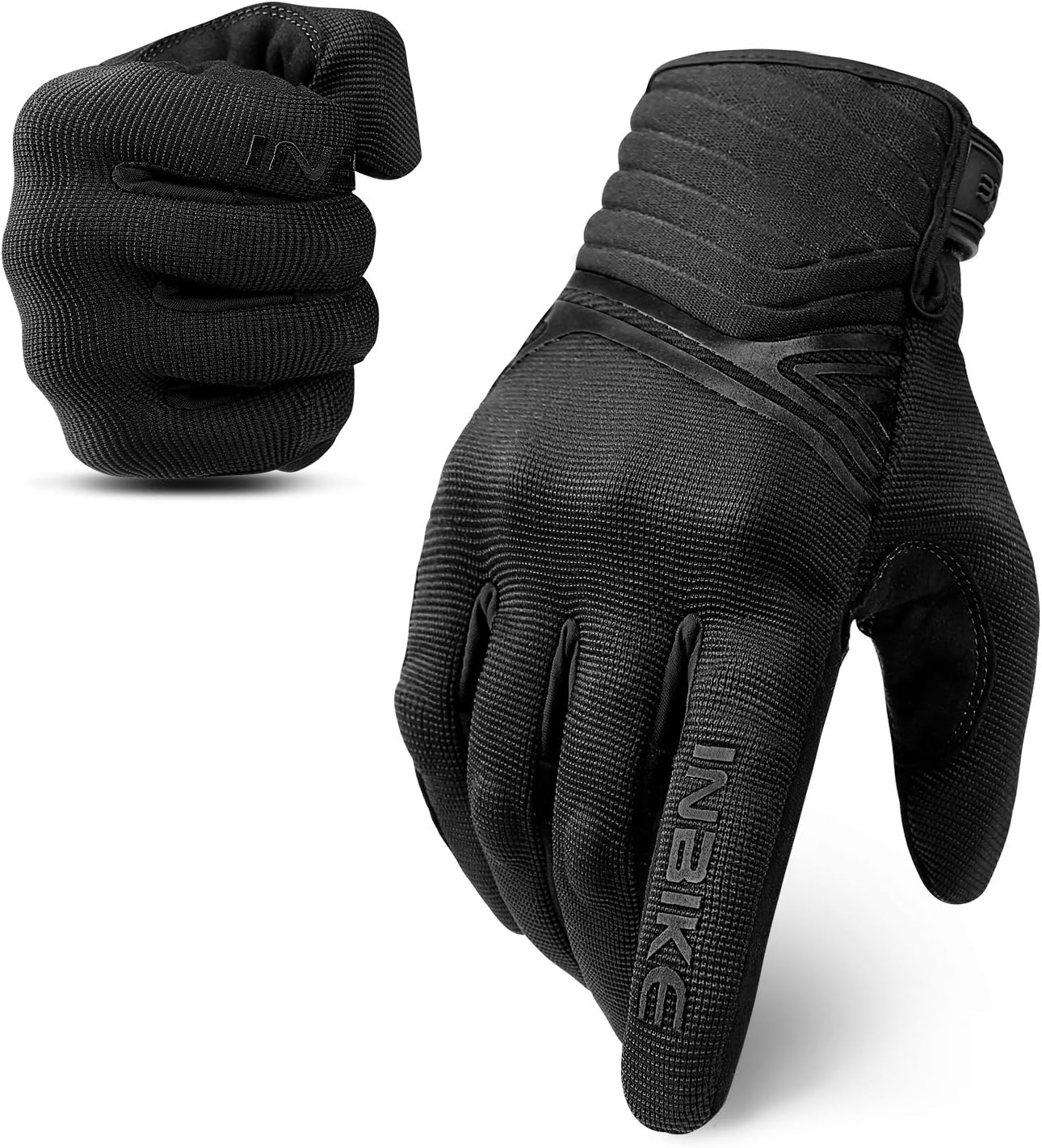
Textile pick: INBIKE CE Mesh
Leather pick: ILM DN01 Perforated

Year-round daily riding across seasons
Leather is the better long-term investment here. A good pair of goatskin gloves breaks in to the shape of your hand over the first few weeks and holds that fit for seasons. Textile at this price tier shows seam wear faster under the repeated grip pressure of daily riding.
The tradeoff is cold-morning stiffness and the need for overmitts in rain. Leather offers no water resistance without treatment and perforated leather offers even less.
Leather pick: ILM GL4 Goatskin Full-Finger
Textile pick: INBIKE CE Mesh with overmitts for rain
High-stop urban routes and constant phone use
This is where textile wins clearly. Getting leather gloves on and off quickly between stops is harder than textile. Leather also runs warmer, which on a 35-stop summer shift in a dense city becomes a real problem.
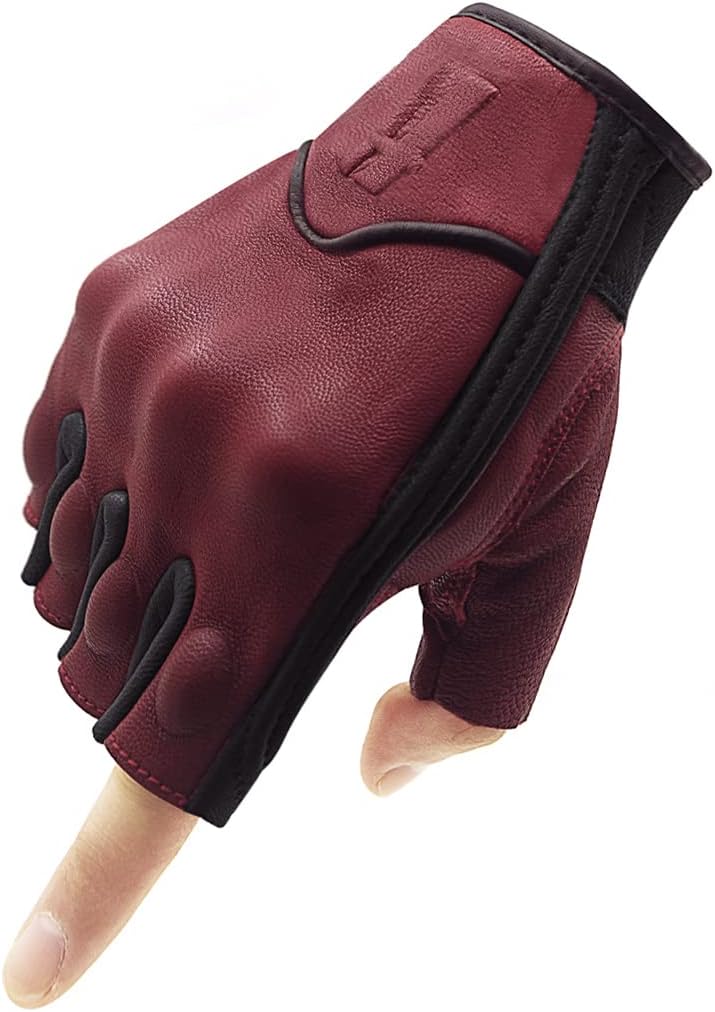
For riders who prioritise dexterity above protection, the half-finger leather option sits between the two categories. Goatskin palm where grip matters, exposed fingers where dexterity matters.
Textile pick: COFIT Breathable Mesh or Fox Racing Dirtpaw
Leather pick: Harssidanzar Half-Finger Goatskin
Tight budget, first pair
Textile is cheaper at this tier and easier to find on Amazon with reliable stock. A $20 to $30 textile glove protects meaningfully better than riding bare-handed. A $35 to $45 leather option gives more durability but costs more to replace when you discover your preferences.
Start textile if this is your first pair. Move to leather once you know your conditions and shift type well enough to choose the right construction.
Budget textile: COFIT Breathable Mesh
Budget leather: ILM GL4 Goatskin Full-Finger
The Product Picks
All six picks below are available on Amazon. Four of them also appear in the Best Motorcycle Gloves Under $50 for Delivery Shifts guide with full spec tables and detailed reviews. If you already know which material you want, the two new additions here fill the gaps that guide doesn't cover.
Leather Picks
BEST FULL LEATHER ALL-ROUNDER: ILM GL4 Goatskin Full-Finger
· Goatskin Leather · Carbon Fiber Knuckle · Touchscreen · Ventilation Holes · Silicone Anti-Slip Palm
The GL4 is the full-leather all-rounder missing from the budget delivery rider lineup. Goatskin construction gives you better abrasion resistance than synthetic alternatives. Large ventilation holes across the back of the hand, fingers, and palm keep air moving without needing perforation. Carbon fiber knuckle protection sits above the PVC guards found on most budget textile options. Microfibre palm reinforcement adds tear resistance where the hand contacts the handlebar most.
Touchscreen on thumb and index finger works reliably. The adjustable wrist closure means you can dial in fit as the leather softens over the first two weeks. These break in properly and hold their shape longer than mesh alternatives under daily use.
Best for: Year-round delivery riders who want leather durability and breathability without going to a fully perforated construction. The closest thing to a do-it-all leather option at this price.
Not ideal for: Anyone who needs a glove that works perfectly on day one. Budget time for the break-in. Also not the pick if rain is a regular part of your route.
⚠️ Check Price on Amazon
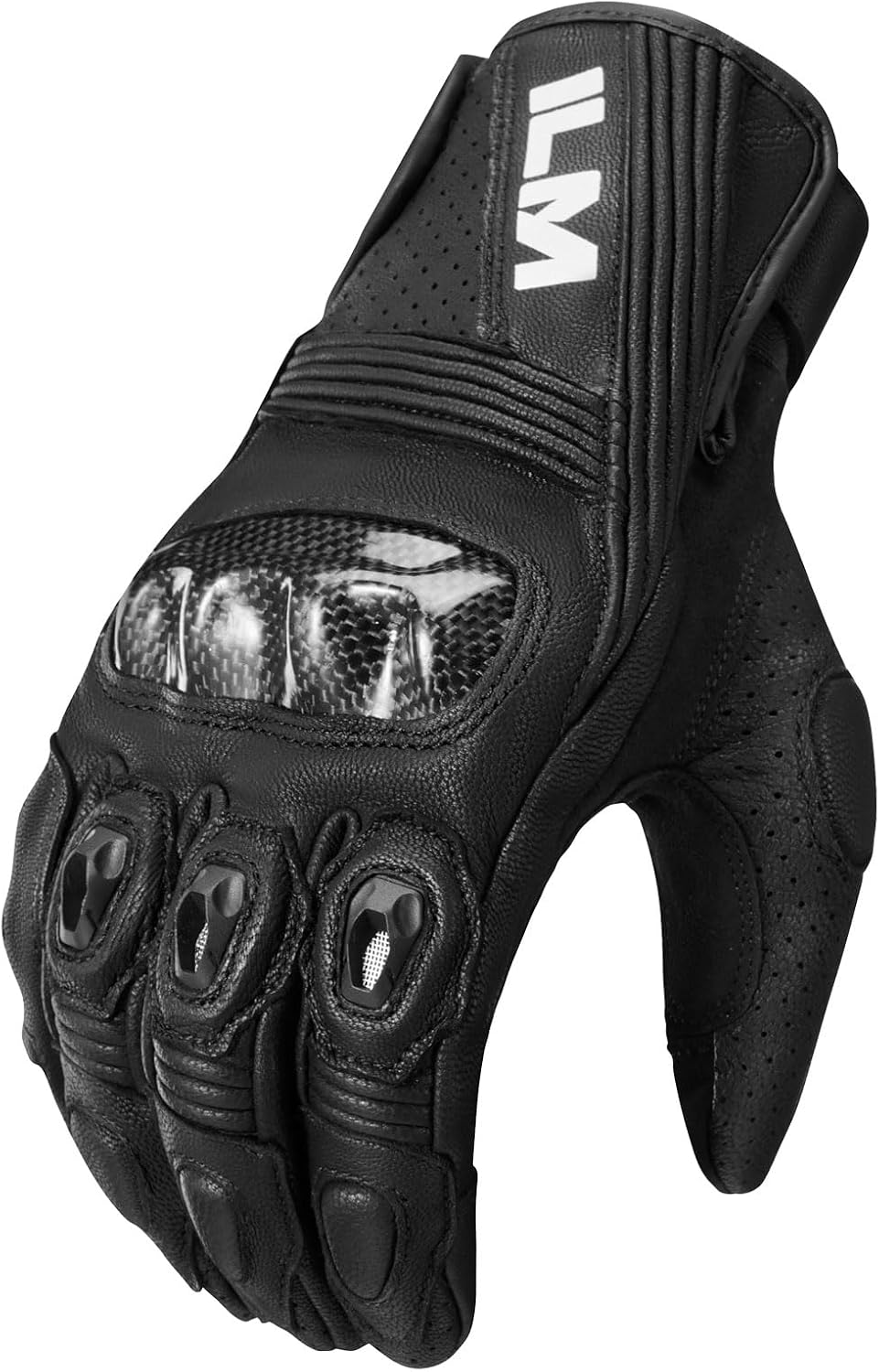
BEST LEATHER FOR HOT WEATHER: ILM DN01 Goatskin Perforated
· Perforated Goatskin · Hard Shell Knuckle · Touchscreen · 360° Palm Protection
Full review in the Best Motorcycle Gloves Under $50 for Delivery Shifts. Short version: perforated goatskin handles sweaty grip loss better than any mesh synthetic at this price. The leather gives you abrasion resistance the mesh can't match. The perforation keeps air moving through the palm during stops.
The tradeoff is water resistance. Perforated leather offers near zero protection in rain. Carry overmitts if your route has any weather risk.
Best for: Summer dinner blocks in warm cities. Riders who sweat through mesh gloves but want leather durability.
Not ideal for: Rain, cooler seasons, or any rider who needs CE-certified knuckle protection.
⚠️ Check Price on Amazon
BEST LEATHER FOR URBAN STOPS: Harssidanzar Half-Finger Goatskin
· Half-Finger · Goatskin Palm · Maximum Dexterity
Full review in the Best Motorcycle Gloves Under $50 for Delivery Shifts. This sits between leather and textile in terms of what it does: goatskin palm for grip and durability, open fingers for dexterity. For dense stop-start city routes at low speed, it works better than any full-finger option for handling bags, receipts, and app use.
The protection tradeoff is real. Exposed knuckles and fingertips mean this is a tool for specific city conditions at specific speeds, not a general-purpose glove.
Best for: High-stop-count summer routes where dexterity matters more than full coverage.
Not ideal for: Highway exposure, speeds above city pace, or any route where a slide is a real risk.
Check Price on Amazon
Textile Picks
BEST TEXTILE OVERALL: INBIKE CE-Certified Mesh Gloves
· Mesh + Leather · CE Level 1 Certified · Touchscreen · Hard Knuckle Guard
Full review in the Best Motorcycle Gloves Under $50 for Delivery Shifts. The CE Level 1 certification is what separates this from generic mesh options. Verified protection rather than "should be fine" protection. The mesh and leather hybrid construction breathes well and holds up through a full season of daily riding.
Touchscreen fingertips work reliably. The slim profile fits under jacket cuffs without bunching. These run snug so go up a size if any Amazon reviews mention they feel small.
Best for: Riders who want one textile glove that covers spring through fall with independently verified knuckle protection.
Not ideal for: Deep winter, rain without overmitts, or sustained highway speeds where leather abrasion resistance would matter more.
⚠️ Check Price on Amazon
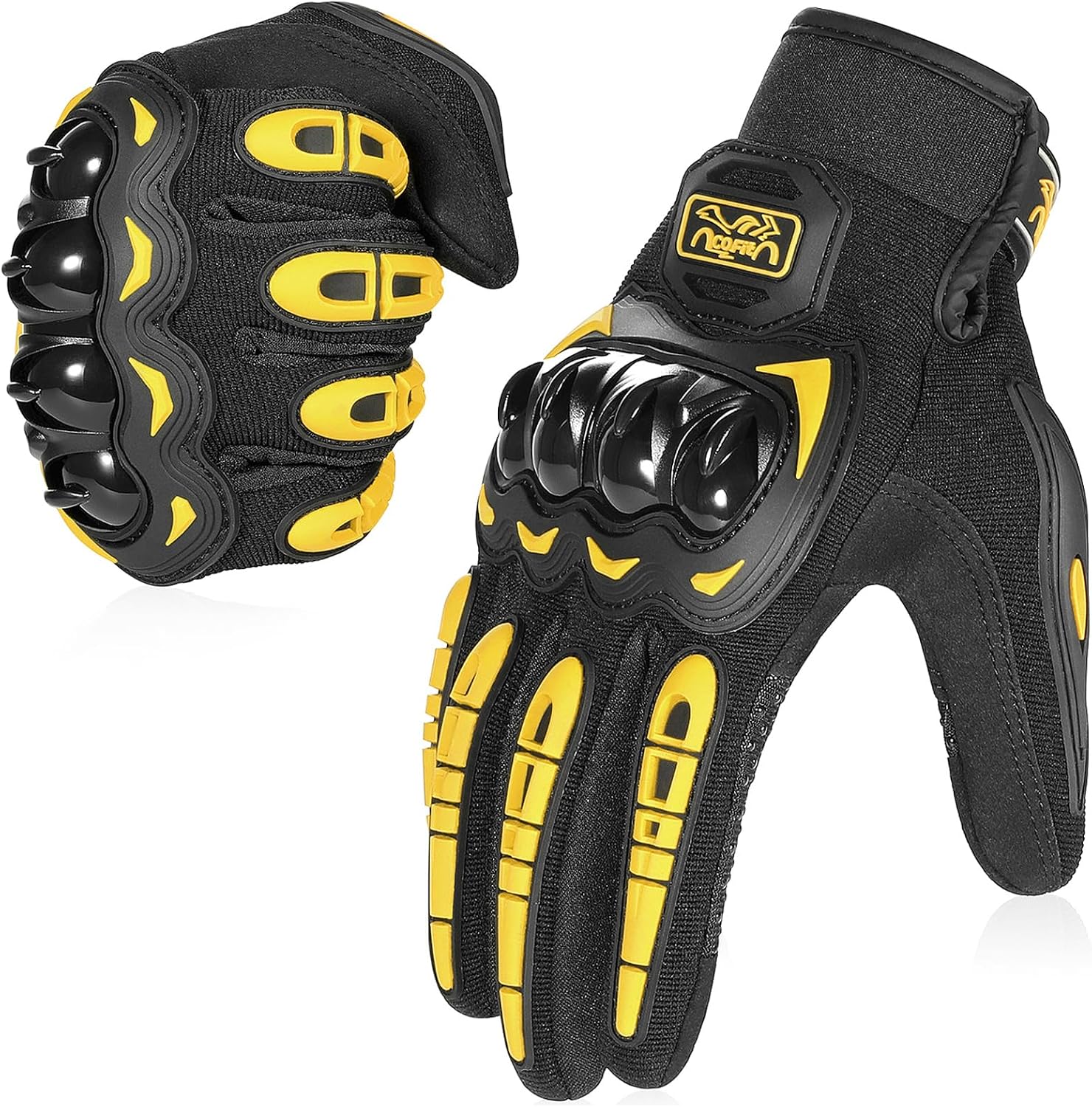
BEST BUDGET TEXTILE: COFIT Breathable Mesh Gloves
· Breathable Polyester · PVC Hard-Shell Knuckle · Silicone Gel Palm · Touchscreen
The COFIT is the entry point for riders who want textile protection at the lowest possible spend. Breathable polyester construction keeps air moving. PVC hard-shell knuckle guards protect the joint. Silicone gel palm pattern improves grip on the handlebar and reportedly gets better with use rather than worse.
Two things to know before ordering. Sizing runs consistently small across all reviewers. Go up one full size without exception. The knuckle protection is PVC rather than carbon fiber or CE-certified material. It protects against impact but it sits below the INBIKE CE and ILM GL4 in terms of verified protection standard. For a first pair or a backup pair, it earns its place. As a long-term daily glove, plan to upgrade after a season.
Best for: Riders just starting out who need something protective on the bike today. Hard to beat as a backup pair or a trial run before committing to leather.
Not ideal for: Full-time daily use long-term. PVC knuckle guards and polyester construction will show wear faster than goatskin or CE-certified mesh under daily grip pressure.
⚠️ Check Price on Amazon
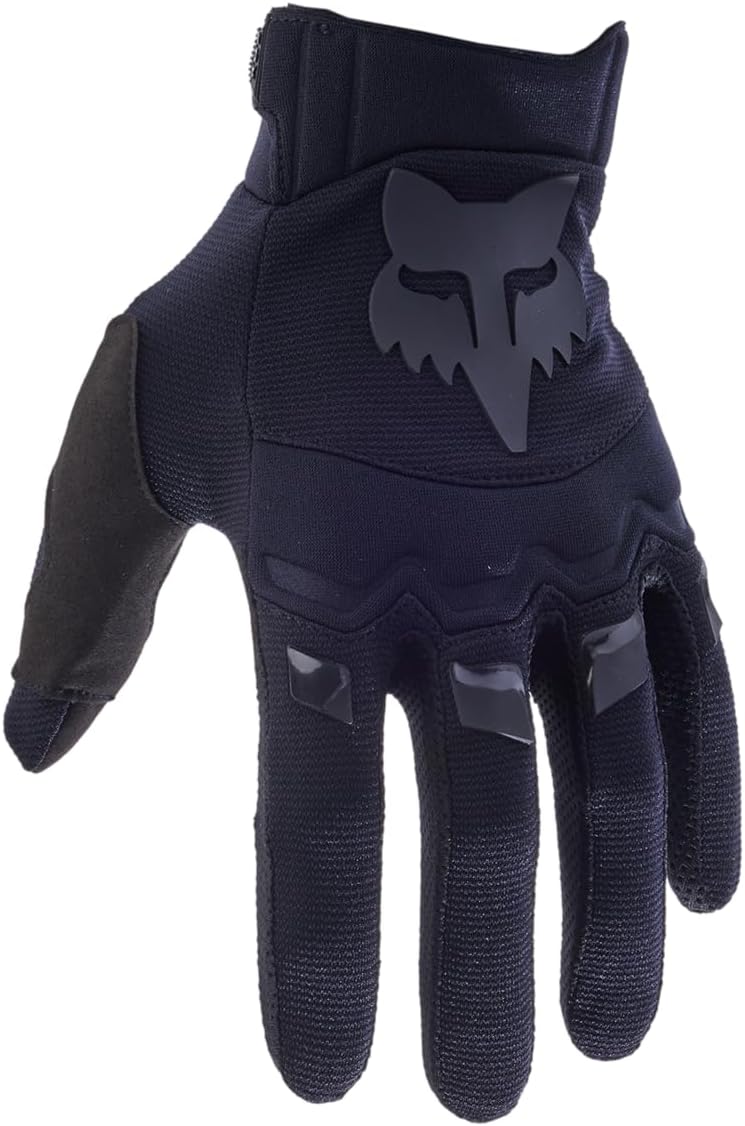
BEST FOR FAST-DRY PERFORMANCE: Fox Racing Dirtpaw Gloves
· Lightweight Textile · Fastest Dry Time · TPR Finger Guards · Light Knuckle Pad
Full review in the Best Motorcycle Gloves Under $50 for Delivery Shifts. A motocross glove on city streets. Built for airflow and fast-dry rather than road abrasion resistance. For riders doing multiple delivery blocks in a day who need a glove that isn't still damp when they go back out two hours later, nothing in this lineup dries faster.
Check the specific listing for touchscreen compatibility before ordering. It varies by colorway and is not guaranteed on the black version.
Best for: Multi-block days, riders who run hot, anyone who needs a glove that recovers between shifts.
Not ideal for: Routes with meaningful crash risk. Palm and knuckle protection reflects its motocross origin, built for off-road falls rather than tarmac slides.
Check Price on Amazon
The Hybrid Option
Some gloves split the difference between leather and textile. A mesh back paired with a leather palm is the most common construction at this price. The INBIKE CE already does this to some degree with its mesh upper and leather palm panel. The ILM GL4 does it from the leather side with ventilation holes cut into the goatskin.
A true hybrid construction at this price is less common than the marketing suggests. Most gloves marketed as hybrid lean heavily toward one material with a small panel of the other. Check the material breakdown before buying rather than taking "hybrid" at face value.
What Overmitts Change
Neither leather nor textile at this price tier is reliably waterproof. The answer to rain is the same regardless of which material you choose: a pair of lightweight overmitts ($8 to $15) that go over any of these picks when the weather turns.
This matters for the leather vs textile decision because riders sometimes pay more for a glove marketed as "water-resistant" when the resistance wears off after two or three wet rides. A dry overmitt over a good leather or textile glove does the job better than any single budget glove claiming waterproofing.
The Final Decision
If you want one clear answer: start with textile. The INBIKE CE covers most conditions, requires no break-in, and the CE certification gives you verified protection rather than guesswork.
If you ride year-round and want a glove that improves with time and lasts longer than one season: the ILM GL4 is where to start on the leather side.
If your shift is hot, dense, and high-stop: the Harssidanzar Half-Finger for leather dexterity or the COFIT for budget textile are the most practical tools for that specific job.
| Situation | Pick | Material | Link |
| Best overall | INBIKE CE Mesh | Textile | Amazon ↗ |
| Year-round leather | ILM GL4 Full-Finger | Leather | Amazon ↗ |
| Hot weather leather | ILM DN01 Perforated | Leather | Amazon ↗ |
| Urban dexterity | Harssidanzar Half-Finger | Leather | Amazon ↗ |
| Budget textile | COFIT Breathable Mesh | Textile | Amazon ↗ |
| Fast-dry shifts | Fox Racing Dirtpaw | Textile | Amazon ↗ |