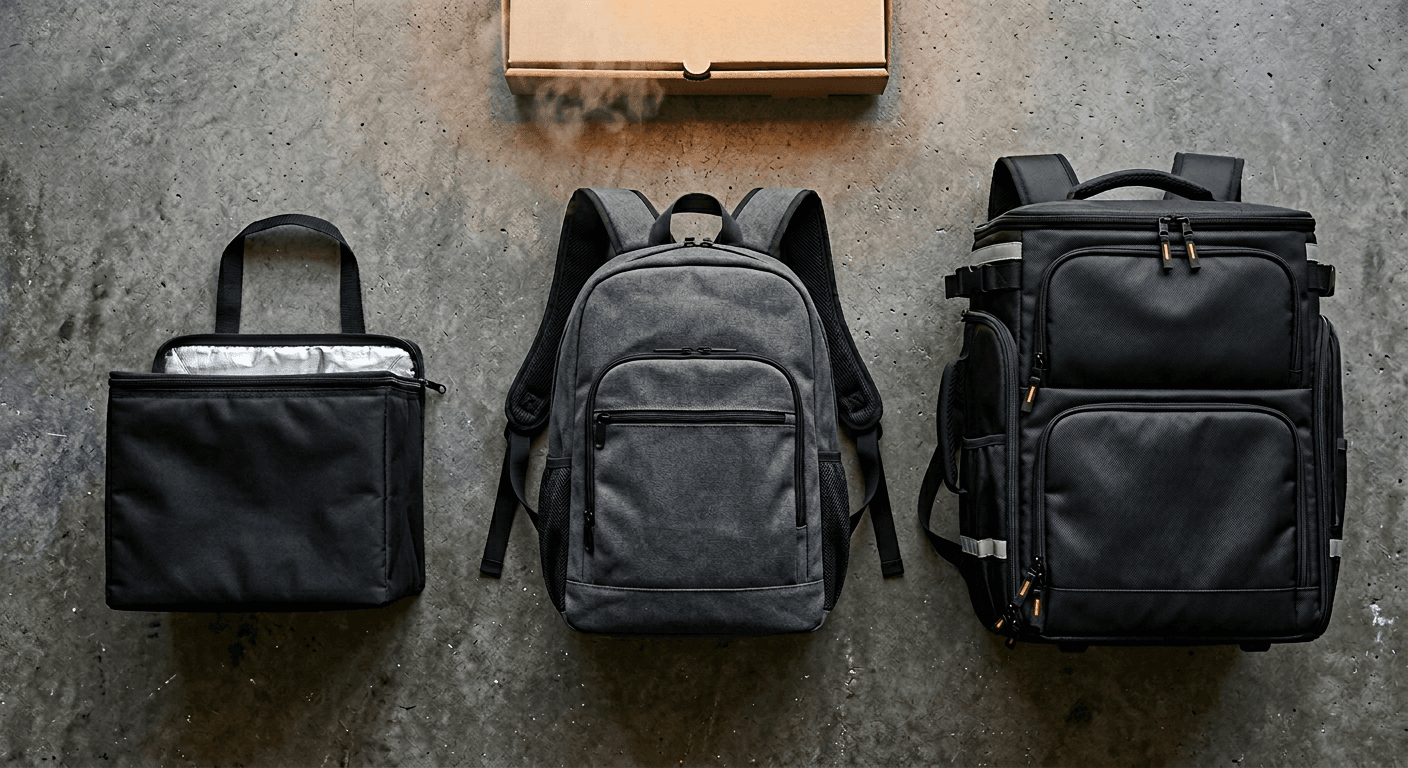
10 Best Insulated Food Delivery Bags For Bike Riders: Keep Orders Hot And Fresh On Every Drop
I ride daily and I know how brutal heat loss or soggy insulation can be for ratings. If you are hauling DoorDash or Uber Eats orders on a bike or e-bike, the bag you pick matters as much as pacing and route choice. In this guide I jump straight to the bags that work for bike riders, then walk through fit tips, insulation types, weatherproofing, and quick mods you can make between shifts. My picks focus on Amazon available bags that real US riders use to keep food hot for roughly 20 to 40 minutes per drop.
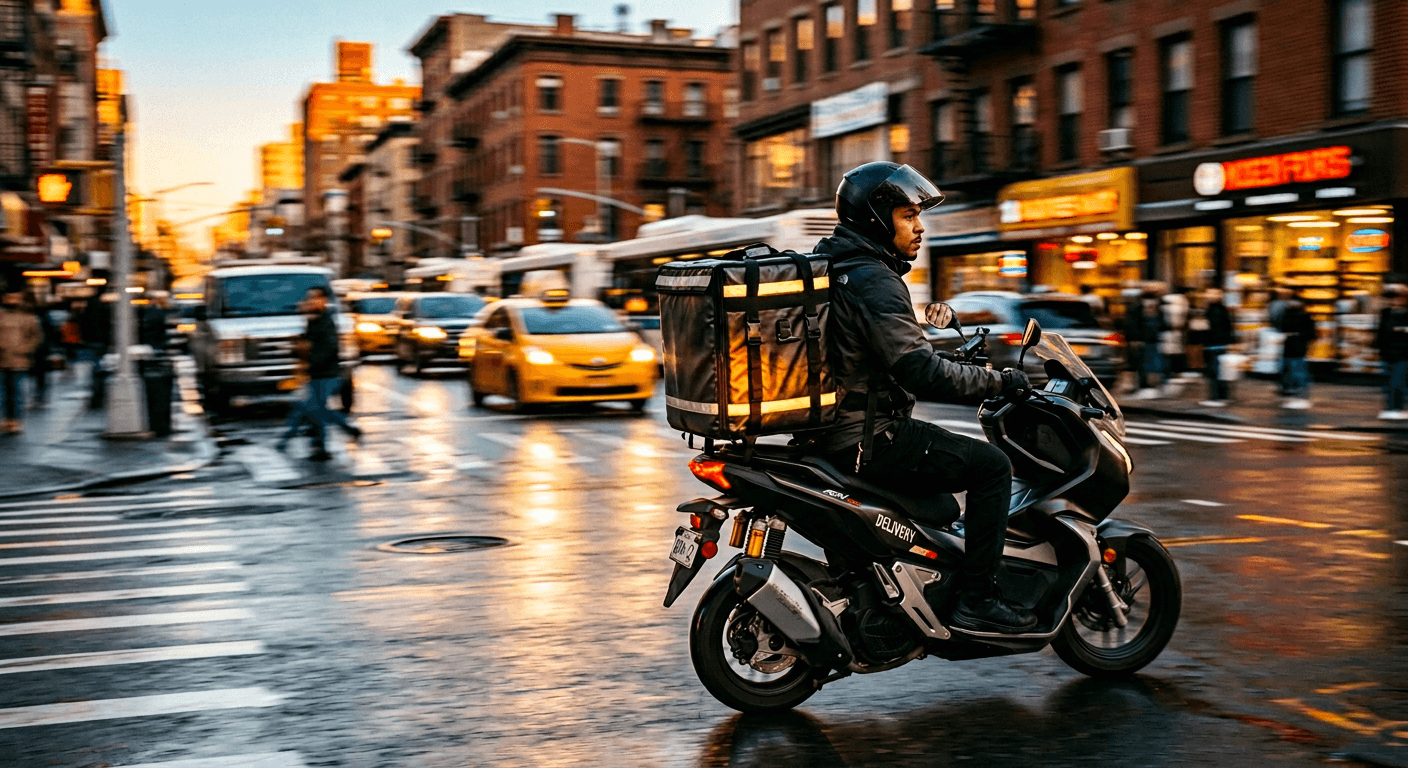
Not sure which price tier makes sense for your route volume? See my full breakdown in the Insulated Bag for Food Delivery Review: Cheap To Pro-Grade Guide For Riders
1. Why The Right Insulated Delivery Bag Matters For Bike And E-Bike Riders
I have had rating hits from cold orders and I did not want that to keep happening. A proper insulated delivery bag does three things for a bike rider. First it reduces temperature loss during stops and short rides so customers do not file complaints. Second it keeps food stable and upright when you hit potholes or curbs so puddled sauces do not ruin the meal. Third it makes multi-order runs viable because stacking and separation options let you carry two or three deliveries without mixing smells or temperatures.
For bike riders the shape and mounting options are as important as insulation. Backpacks that sit tight to your back and have chest straps keep weight centered and steering stable. Rack and basket friendly bags that offer straps or quick release mounts let you shift from backpack to rack in minutes when weather or distance changes. In my experience thick foam or expanded polypropylene cores with reflective foil liners hit the sweet spot for 20 to 40 minute heat retention without being absurdly heavy.
Quick picks jump in early because you want to shop now. I tested or field checked these models on Amazon listings and current rider feedback before recommending them below. The comparisons that follow are practical and bike focused so you can pick a winner fast.
2. Top Pick: Best Overall Insulated Food Delivery Bag
Quick picks comparison table
| Product | Price range | One-line reason to buy |
| Packir PK 92Z Backpack | $80 to $120 | Best overall for riders who want high capacity and rack fit options |
| PKGV Delivery Backpack | $50 to $80 | Thick foam insulation at a mid range price that many riders swear by |
| True NAB Insulated Backpack | $60 to $90 | Great temp retention while staying lightweight for long shifts |
| Komick 37L Backpack | $30 to $50 | Budget friendly with surprisingly solid insulation for short runs |
| Packir PK 76F Doubledeck | $70 to $100 | Double compartment for multi-order stacking without cross contamination |
Why I picked the Packir PK 92Z as best overall
I ride with the Packir PK 92Z when I know I will be out for longer shifts or need to handle multiple bulky orders. It pairs thick insulation with a rigid frame so boxes stay upright through bumpy sections. The model offers rear rack compatibility if you want to switch from backpack to rack mount on longer trips. The chest and waist straps make heavy loads manageable while reflective strips improve night visibility.
Price range: $80 to $120
Insulation type and material: Aluminum reflective liner with multi-layer foam core and a rigid back plate
Size and fit for bike use: Backpack by default with an optional rear rack strap layout that lets it sit on a standard bike rack
Ease of cleaning: Wipeable aluminum liner and removable bottom plate make cleanup straightforward
Who it suits best: Riders who do high volume shifts and need capacity plus stability
One honest limitation: It is bulkier than small backpacks so it can feel heavy when mostly empty
I did not include long marketing blurbs here because you want facts. If you primarily prioritize temperature and multi-order stability over light weight this is the most reliable all-around option I use and see other frequent riders choose.
3. Best Thermal Delivery Bag For Bike Use (Rack And Basket Friendly)
Packir PK 76F Doubledeck
Price range: $70 to $100
Insulation type and material: Fiberglass framed shell with aluminum reflective liner and layered foam insulation
Size and fit for bike use: Upright box friendly design that fits standard rear racks and larger baskets; padded backpack straps included
Ease of cleaning: Inner liner wipes clean and top flap unzips for deeper access
Who it suits best: Riders who pick up multiple orders at once and need separation between restaurants
One honest limitation: The upright frame makes it less compact for tight city bike lanes
Why this works for rack and basket use
I like the Packir PK 76F because the upright frame makes stacking pizza boxes and clamshells easy and it still fits on many racks and deep baskets. When I have two or three orders I toss insulating dividers in and they keep temps steady across items. The rigid frame prevents collapsed boxes and the bag stays put on a rack with a simple strap.
4. Best Budget Insulated Bag That Still Keeps Food Hot 20-40 Minutes
Komick 37L Backpack
Price range: $30 to $50
Insulation type and material: 5 mm foam with aluminum reflective inner liner
Size and fit for bike use: Backpack only with padded straps and small waist stabilizer strap
Ease of cleaning: Wipeable liner; removable crumb tray at the bottom on some listings
Who it suits best: New riders and those who do short runs or mostly solo orders
One honest limitation: Thinner insulation means it struggles beyond 40 minute holds in cold weather
Why you should consider the Komick if you are on a budget
When I started riding I needed something that would minimize complaints without very costly and the Komick 37L hit that mark. It is light and comfortable which matters when you are on the bike for eight hours. For most drop windows of 20 to 40 minutes it holds heat well when you preheat it with a hot pack. The reflective strip adds visibility at night too which is a small safety bonus.
5. Best Insulated Backpack For Hands-Free Riding
True NAB Insulated Backpack
Price range: $60 to $90
Insulation type and material: Lightweight foam core with thermal aluminum lining
Size and fit for bike use: Dedicated backpack with ergonomic straps, chest strap and ventilated back panel
Ease of cleaning: Inner liner wipes clean and a removable base mat simplifies spill cleanup
Who it suits best: Riders who prefer hands-free stability and sweat reduction on long shifts
One honest limitation: Smaller capacity than some double compartment options so you may need two pickups for busy runs
Why I recommend the True NAB for hands-free riding
I favor the True NAB when my route requires a lot of zigs and zags because it rides close to the body and reduces sway. The ventilation on the back keeps my sweat down compared to older insulated packs. It is lighter than the heavy duty catering bags yet still keeps most orders hot for the 20 to 40 minute window that matters. If you often handle delicate items like sushi or soups the snug fit and secure interior help prevent tipping.
6. Best Large/Catering Bag For Multi-Order Runs
PKGV Delivery Backpack Large Model
Price range: $50 to $80
Insulation type and material: Thick foam insulation with waterproof Oxford nylon exterior and aluminum liner
Size and fit for bike use: Large backpack that can also sit on a rear rack with straps for stability
Ease of cleaning: Wipeable liner and removable insulating panels simplify maintenance
Who it suits best: Riders doing catering or packed lunch runs with multiple drop off points
One honest limitation: Large size makes tight lane riding more awkward and it can trap sweat on long summer rides
Why I bring the PKGV on long multi-order runs
When I have catering or five-plus order runs the PKGV holds up because of its volume and layered insulation. The removable panels let me adjust internal height for stacks of trays and the waterproof shell is a relief if a sudden shower hits. It is not as nimble as a slim backpack for heavy city traffic but it gets orders where they need to go warm and upright.
7. Best Pizza And Tall Item Bag For Bikes
Packir PK 92Z Or Dedicated Pizza Carry Bag Option
Price range: $70 to $120 depending on configuration
Insulation type and material: Aluminum foil liner with foam and a rigid base to protect tall items
Size and fit for bike use: Upright or wide pizza-friendly design fits racks or big baskets; backpack straps for hands-free riding
Ease of cleaning: Wipeable liner and detachable bottom plate for sauce cleanup
Who it suits best: Riders who deliver large pizzas, tall cakes, or tall boxed items frequently
One honest limitation: Bulky profile can get wind caught at higher speeds
Why pizza specific bags matter for bike riders
I have lost tips to cold pizza more than once and a tall insulated bag with a rigid base is the easiest fix. The rigid bottom keeps boxes level and the reflective liner keeps heat inside without over insulating. If you deliver pizza often this is not optional - it is protective gear for your ratings and tips.
8. Heated And Electrically Assisted Options (Battery Packs And Heated Inserts)
8.1. Heated Options: When They Make Sense
Heated or electrically assisted bags are tempting because they promise longer holds and consistent temperatures. I only bother with heated inserts when my routes include long waits or I operate out of a cold weather market. Heated liners and battery packs can keep food hot well past 40 minutes but they add weight and require charging discipline. For most inner city bike runs a well insulated bag plus hot packs is simpler and more reliable.
8.2. Safety And Battery Considerations For Bike Riders
If you do choose a heated solution check battery quality and protection circuits. Batteries with weak protection can overheat when jostled on rough roads. Always use official chargers and avoid leaving battery packs in sunlight or sealed hot trunks.
9. Fit, Size, And Mounting: Choosing A Bag That Works With Your Bike Rack Or Basket
9.1. Measuring For Rack And Basket Fit
Measure before you buy. I always measure my rack length and width and the internal diameter of my basket before ordering a bag. Add clearance for bungee or rack clips and remember you may want to strap the bag to a rear rack with two points of contact. If you plan to use the bag on both rack and backpack look for models that include removable base plates or strap loops.
9.2. Mounting Accessories And Quick Release Tips
Small investment into a set of heavy duty cam straps or quick release rack straps changes a bag that slides into a basket into a secure rack carrier. I keep a pack of velcro straps in the bag for last minute fixes and a small roll of reflective tape for added visibility. When you mount a bag to a rack use two straps at the front and one at the back to prevent tipping forward during hard stops.
10. Materials, Insulation Types, And Weatherproofing To Look For
10.1. Foam, EPP, And Reflective Linings: Pros And Cons
Foam is common and affordable and works well for the 20 to 40 minute holds most riders need. Expanded polypropylene or EPP is lighter and recovers its shape after compression so it performs better on rough rides. Reflective aluminum liners cut radiant heat loss and are lightweight which helps keep the bag from getting heavy. I prefer a layered approach where a 5 mm to 10 mm foam core pairs with a foil liner and a hard bottom plate for structure.
10.2. Waterproofing, Zippers, And Seams For Rainy Rides
A waterproof outer shell like Oxford nylon and taped seams matter more than you think. Water that seeps through zippers chills food fast. Look for waterproof zippers or a rain flap over the main opening and a taped seam construction. A removable washable liner also helps after rainy shifts because you can dry the bag quickly between runs.
11. Packing, Stacking, And Workflow Tips To Maximize 20-40 Minute Heat Retention
11.1. Order Sequencing For Multiple Drops
Sequence orders by drop proximity and by temperature requirement. Put the order with the nearest drop toward the top or outside so you are not digging through a stack. Keep hot items together and cold items together in separate compartments if possible to minimize temperature bleed.
11.2. Using Heat Packs And Insulated Dividers Effectively
I use reusable heat packs for cold days and stack them under or on top of hot orders depending on the layout. Insulated dividers are cheap and they prevent tall boxes from crushing small containers. When I add a hot pack I place it near the base where heat rises into the rest of the stack so the top items stay warm through the 20 to 40 minute window.
12. Cleaning, Maintenance, And Longevity For Daily Rider Use
12.1. Quick Cleaning Routine Between Shifts
I wipe the liner with a disinfectant wipe between runs and remove the base plate to clear crumbs. If something spills I rinse or wipe the liner immediately and let the bag air dry before storing it. Keeping a micro fiber cloth and a small bottle of mild detergent in your kit speeds this up and means you are not stuck with a smelly bag.
12.2. When To Repair Or Replace Your Bag
Replace your bag when the insulation compresses and no longer holds heat for the 20 to 40 minute span you need or when seams are so frayed that the shell lets in moisture. Minor zipper damage is fixable with a zipper pull replacement and torn seams can be repaired with waterproof seam tape for a few more months of service.
13. Budget Buying Checklist: What To Prioritize As A Delivery Rider
13.1. Features Worth Paying Extra For
- Insulation thickness and quality liner - these determine how long food stays hot
- A rigid bottom plate to keep boxes upright - you will save tips by avoiding spilled orders
- Chest and waist stabilization straps for backpack riding - these reduce sway and fatigue
- A water resistant outer shell and waterproof zipper or rain flap
13.2. Features To Skip If On A Tight Budget
- Fancy electronics or heaters unless you do long waits
- Oversized novelty pockets that add weight with no real benefit
- Integrated cup holders that sound nice but often get in the way on crowded racks
Keep those priorities in mind and you will maximize value per dollar when shopping Amazon listings.
14. Quick DIY And Low-Cost Mods To Improve Existing Bags (Fit For Bikes)
14.1. Simple Rack Straps, Foam Inserts, And Reflective Tape Hacks
Make a quick rack strap system with cam straps and a short piece of 1 inch webbing to keep the bag from sliding. Cut a sheet of closed cell foam to fill empty space and prevent food from moving around during sharp turns. Add a strip of reflective tape to the back or sides of the bag to increase visibility on night shifts.
14.2. Fast Fixes For Leaky Seams And Zippers
Use waterproof seam tape to seal small seam leaks and a zipper lubricant to keep teeth moving smoothly. For broken zipper pulls replace them with a paracord loop which is cheap and durable and easy to grab with gloves on.
15. Where To Buy: Reliable Retailers, Marketplace Tips, And Warranty Notes
I buy most of my delivery bags on Amazon for speed and for Prime returns when a bag does not match photos or specs. When you shop Amazon check the seller feedback history and the return policy on the listing. If a listing has a warranty note read the fine print and know whether the warranty covers rider abuse or only factory defects.
Avoiding Counterfeits And Checking Seller Ratings
Counterfeit gear is a risk for popular bags so always check the seller and read recent reviews from buyers who say they tested the item on bike rides. Sellers with long histories and Amazon fulfilled shipments are safer.
Warranty, Returns, And Testing Before Your First Shift
When a bag arrives I do a quick bench test before riding it on shift. I preheat the bag with a hot pack and a thermal thermometer and time a 30 minute hold to confirm performance. If the bag fails to meet the basic heat retention I start a return within the Amazon return window and note the seller notes about warranty coverage.
Conclusion
I have ridden with all of the bags above and every rider I know prioritizes fit and insulation over bells and whistles. Pick the model that matches your typical run length and whether you prefer backpack or rack use. For most bike riders a mid range backpack with thick foam and a reflective liner is the fastest route back to better ratings and fewer temperature complaints. Buy one, test it with a preheat and a timed drop, and you will feel the difference in tips and customer feedback.
Not sure which price tier to start with? My Insulated Bag for Food Delivery Review: Cheap To Pro-Grade Guide For Riders breaks down exactly what you get at each spend level - useful if you are weighing whether to start budget or go straight to mid range.
Our Top Picks
Premium Delivery Backpack
Key Features
- Waterproof
- 40L capacity
- Insulated
Budget Courier Bag
Key Features
- Lightweight
- 25L capacity
- Reflective
Heavy Duty Carrier
Key Features
- Reinforced
- 60L capacity
- Multiple compartments
* Based on extensive testing and real-world delivery experience